The fantasy of someone else’s life is wearing thin. What happens when audiences want something more real?
Introduction
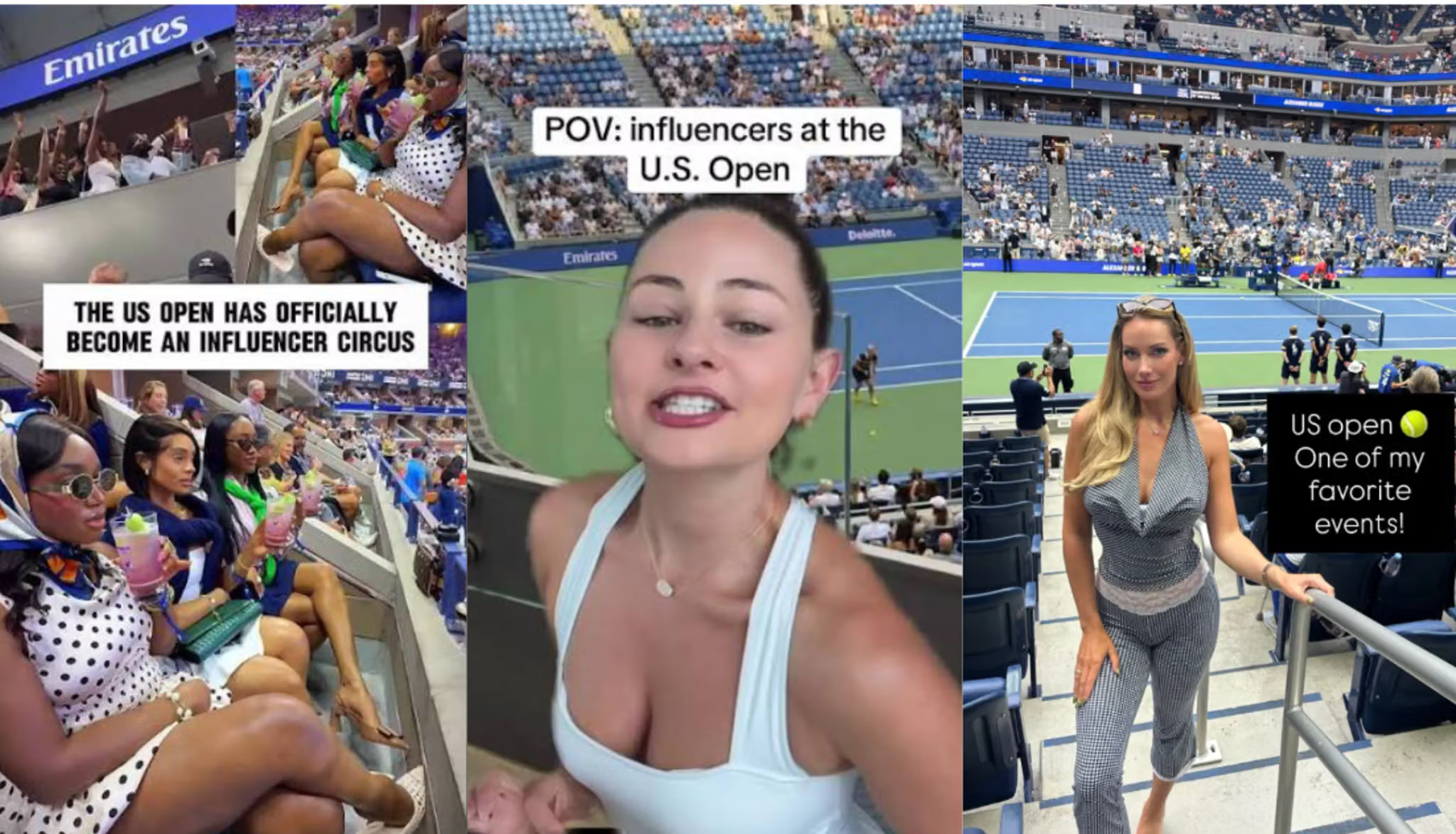
“Ok, guys, we're back. Did you miss us? Because we missed you.” Those were the words that echoed against the backdrop of a US Open match between Naomi Osaka and Anastasia Zakharova as a group of influencers made a TikTok using the viral Kim Kardashian sound right in the middle of it. The clip that caught the content creators in action is particularly amusing. Two attendees, presumably there to enjoy the riveting match and the silence that often comes with it (bar the occasional grunt, of course), can be seen in clear despair at the noise coming from behind them, with one guy literally face-palming. "Today the umpire told everyone to be quiet more than I've ever heard an umpire tell a crowd to be quiet," Osaka said in a post-match press conference.
The clip and subsequent news that around 100 influencers were accredited by the US Open this year have sparked debate around the role of influencers at events, and the importance of understanding etiquette. In fact, reports suggest that Wimbledon won’t be allowing an influx of influencers next year – to the celebration of many.
While it seems that many are tiring of influencers at these major events, the question isn't simply why people are annoyed, but why access no longer automatically feels desirable. We're increasingly watching the mechanics of privilege rather than simply buying into the fantasy that we once did before – and people are questioning it now more than ever. Take the OpenAI brand trip, which took place at Auberge Collection's Wildflower Farms in New York, and was slammed online. It’s like District 13 watching the Capitol livestream and TikTok their way through excess and access.
People don’t just want to see influencers gifted with random trips and experiences, as aspiration is no longer the sell – but why?
Aspirational optimism to a more pessimistic reality
The hopefulness that underpinned early social media culture – millennial optimism, tech optimism, the promise of a more connected/abundant future – has given way to tech pessimism, AI anxiety and a much more volatile sociopolitical climate. Indeed, 41% of the UK public say they are afraid of AI, and only 24% think it’s positive for humanity. Meanwhile, the percentage of American adults who rate both their current and future lives high enough to be classified as ‘thriving’ dropped to 48%.
Living vicariously through others online doesn't offer the same escapism that it once did. Watching someone else fly business class, attend Wimbledon or be gifted a luxury experience can feel less like a fantasy and more like a reminder of the growing gap between those who have access and those who don't.
Content creators like Shabaz Ali have gained a large following addressing this divide and mocking the aspirational era: “There’s been a massive shift in the last few years,” Ali told The Guardian. “The Kardashian era is over. We don’t want airbrushed reality any more. We want it raw, authentic and unfiltered.”
At the same time, the creator economy has made access itself mundane. After years of watching creators document their lives 24/7, the novelty of the press trip, gifted hotel or VIP experience has worn off. As handmade crafts shop owner John Sylvia told New York Magazine: “A lot of people are tired of feeling like extras in someone else’s video.”
When knowledge becomes aspirational
People are increasingly seeking knowledge, craft and skill in the creators they follow – particularly in an age of automation. As Jess Cartner-Morley wrote for The Guardian: “There is a backlash against visually focused lifestyle content, which has become so co-opted by brands. Gen Z want more. They want knowledge.” Trend forecaster Lucie Greene adds that genuine skill and knowledge are becoming more valued “in online content and within commerce”.
Now, this doesn’t mean that aspiration no longer has a role to play – but it suggests that there’s a new form of aspiration developing, rooted in something different: “I want to know how to do that,” rather than “I wish I had their life.”
In our conversation with Leila McGlew on What’s next for the influencer, she discussed how the flow of influence has also changed with this in mind: “Influence is becoming lateral,” she said. “Rather than flowing from one creator to millions, ideas increasingly move sideways through networks of trusted people and communities. The quality of that chain of influence matters more than the size of the original audience.”
Relatability and knowledge are overtaking pure aspiration, as influence increasingly flows through trusted networks where taste and credibility matter more than reach.
What does this mean for brands?
The question isn't whether to stop inviting influencers to major events, but what makes the invitation meaningful to the audience. A press trip or luxury gifting moment needs to offer audiences more than “look where I am,” and if users today are seeking more information, expertise and perspective, then a brand experience should give creators something worth bringing back. This could be access to an expert; behind-the-scenes knowledge; a skill or craft that a creator can share with their audience; or an unusual perspective that can be shared and provide answers to questions they have.
There’s also an opportunity to build access around community, not hierarchy. While the old influencer trip was focused on brands working with VIP creators who broadcast to their audience, the emerging model is a brand leaning into a creator with a built-in and engaged community where the audience participates and not just observes. Pepsi MAX tapped into this with their Pepsi Pioneers programme – its first ‘creator platform’ built to “revolutionise the brand’s engagement strategy from the inside out”.
While the platform involves influencers, they’re hired to embody the ‘spirit’ of the Pepsi MAX 'Thirsty For More’ platform and are co-creators and ambassadors who play a pivotal role in driving brand authenticity and cultural relevance by taking the reins from strategy to execution.
While fantasy is dead, the concept of it is changing. Access alone isn’t enough, and people want to see something worth accessing that benefits them and not just the creator alone.