Audiences no longer connect with the polished aspiration of the first wave of influencers. Instead, connection is more intentional and immediate, with relationships more direct and anchored in shared interests. People are able to signal more precisely to curated communities or on interest-led platforms. There are even influencers on Strava.
This shift isn’t limited to emerging or alternative platforms such as Substack, LinkedIn, Letterboxd and Fanfix. Even on established networks such as TikTok, Instagram and Facebook, influencer culture is becoming more contextual and community-driven, with local influencers at the heart of that shift. Creators including Vansa from Indonesia share the same neighbourhoods and languages as their audience. Burberry-endorsed Briton Bus Auntie might even take the same commute, demonstrating that influencer culture is increasingly defined by proximity, relatability and trust.
In 2026, the business model continues to evolve. Influencers are making big money moves, such as Brooke DeVard becoming COO for Refinery29, or US podcaster Chris Black launching his own clothing company Hanover USA. Sunnies, a Filipino brand that has emerged as one of the most popular from Southeast Asia, was founded by some of the country’s pioneering creators. Streamers such as iShowSpeed are redefining the model entirely, turning livestreams into cultural events and online audiences into real-time participatory communities.
In this Deep Dive, Canvas8 senior commissioning editor Leah Sinclair and Leila McGlew, co-founder of alternative influence agency Figures, explore what comes next for influencers, where influence is already shifting today and how brands can identify the taste-makers shaping this new landscape.
Featured Speakers
Leah Sinclair is a senior commissioning editor at Canvas8 and a freelance journalist whose bylines include Stylist Magazine, The Guardian, Grazia, Evening Standard and more. Her work explores culture, lifestyle and consumer trends, and she has previously worked as a senior digital writer and news reporter across UK media. At Canvas8, she focuses on how cultural shifts, from entertainment and fashion to sport and fandom, are reshaping the way audiences engage with brands and experiences. Her work examines fandom through case studies she has commissioned on brands such as Fanatics UK and Swifftogedden, as well as reports exploring how tracking culture has become key to fan experiences and why they’re also gathering offline to seek connection
Leila McGlew, co-founder of figures, is a brand and cultural strategy leader with more than fifteen years of experience working across agencies, media and independent consultancy. Previously at DAZED and Selfridges, Leila most recently headed the agency team at Protein, leading partnerships for clients including Nike, Converse, Apple and Sonos. Her work includes strategic collaborations with organisations including D&AD, The Lovies, Soho House and Somerset House.
View expert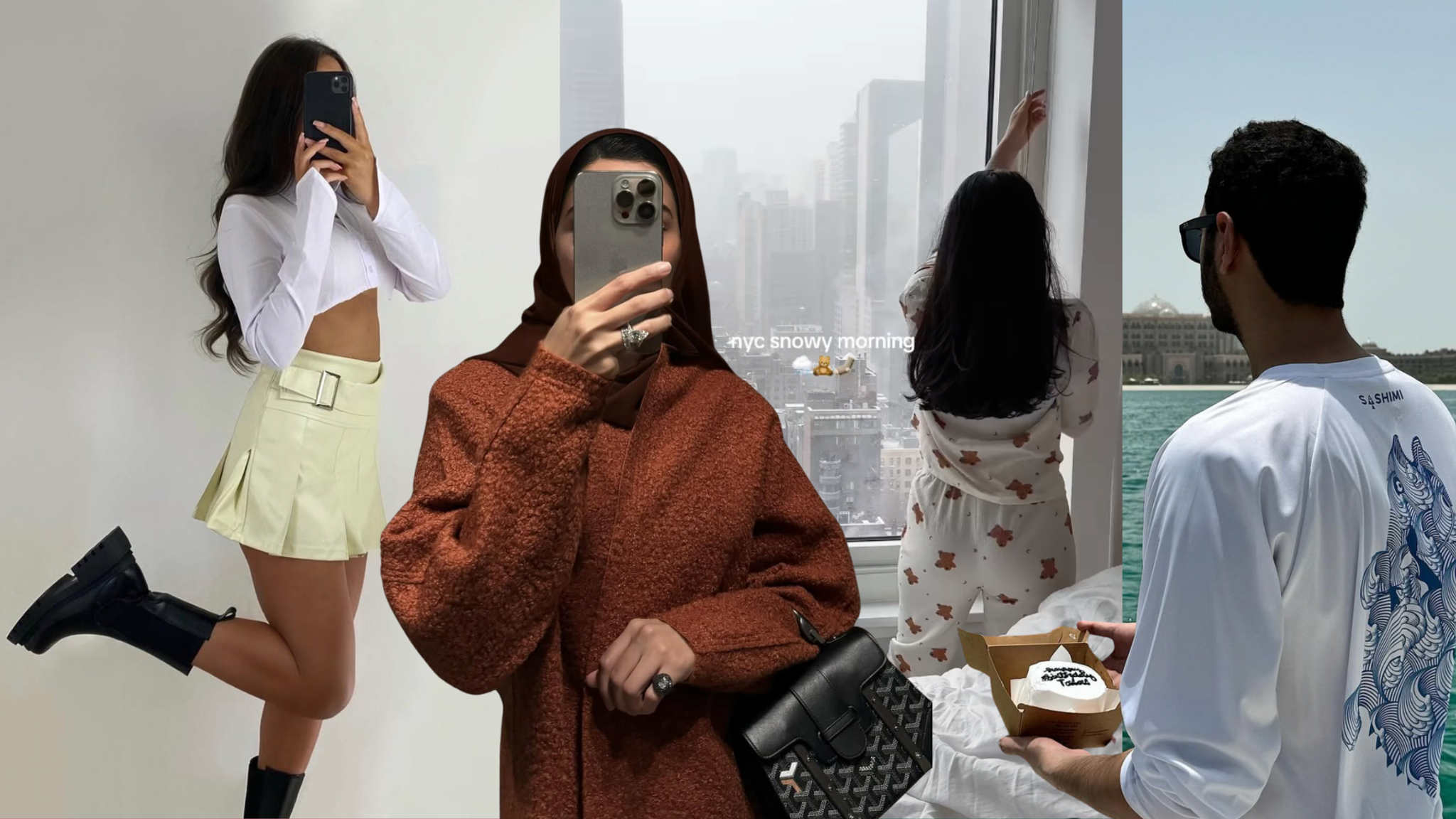
report
25 Sep 2025
Why Gen Z creators are choosing anonymity over influence
Gen Z creators are doing things differently. Unlike previous generations, they're prioritizing anonymity – using avatars, pseudonyms, or faceless content to shift focus from themselves to their work. But if influence is no longer about being seen, what does this mean for the creator economy?
signal
6 May 2026
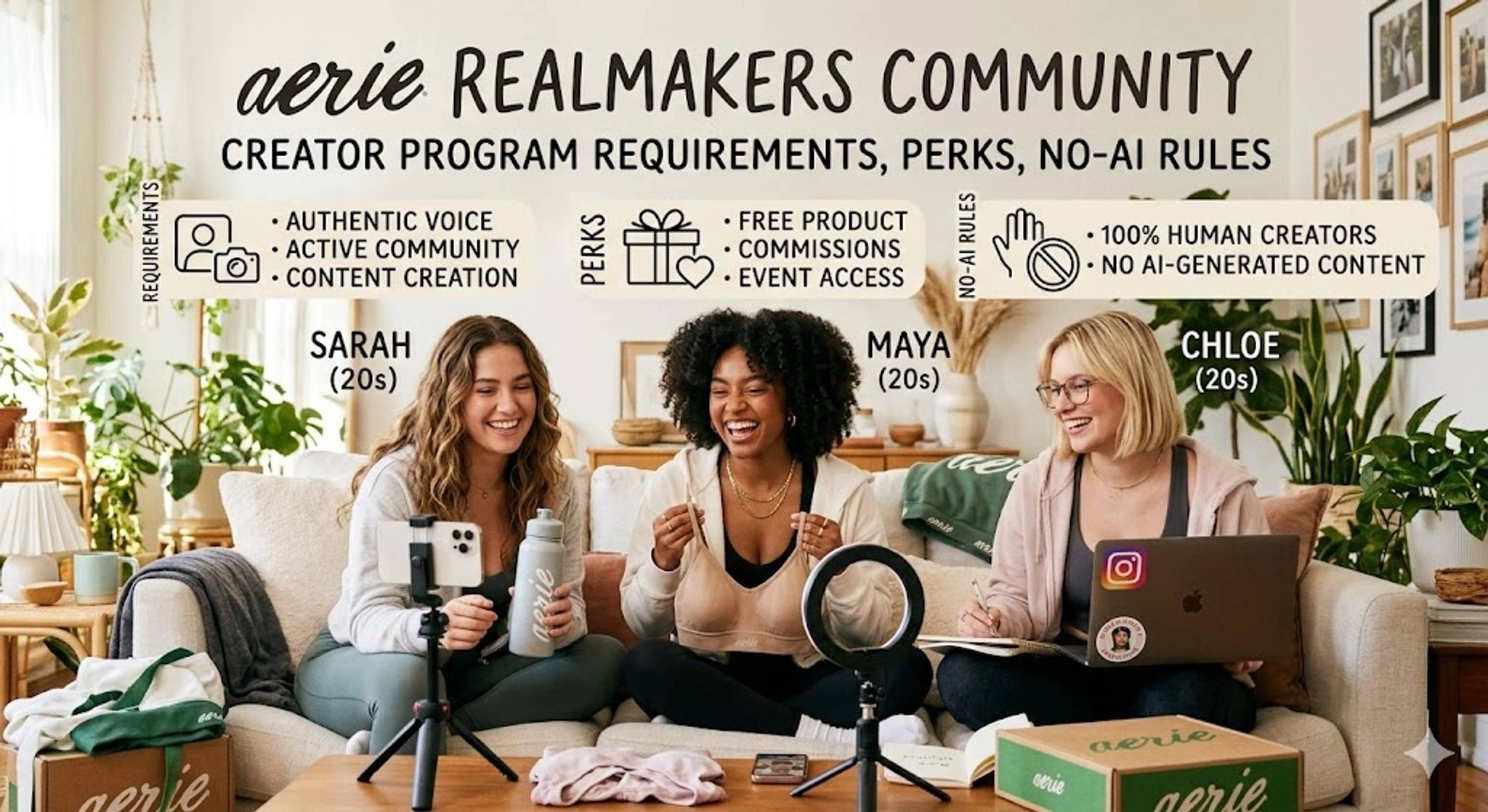
Aerie's Realmakers lets US creators grow with its brand
Aerie's creator program offers up-and-coming influencers a way to build their platform by focusing on authenticity and creating communities around the brand. This move highlights how brands can tap into people's desire for more relatable voices that they find trustworthy and expand their audiences.
signal
15 May 2026
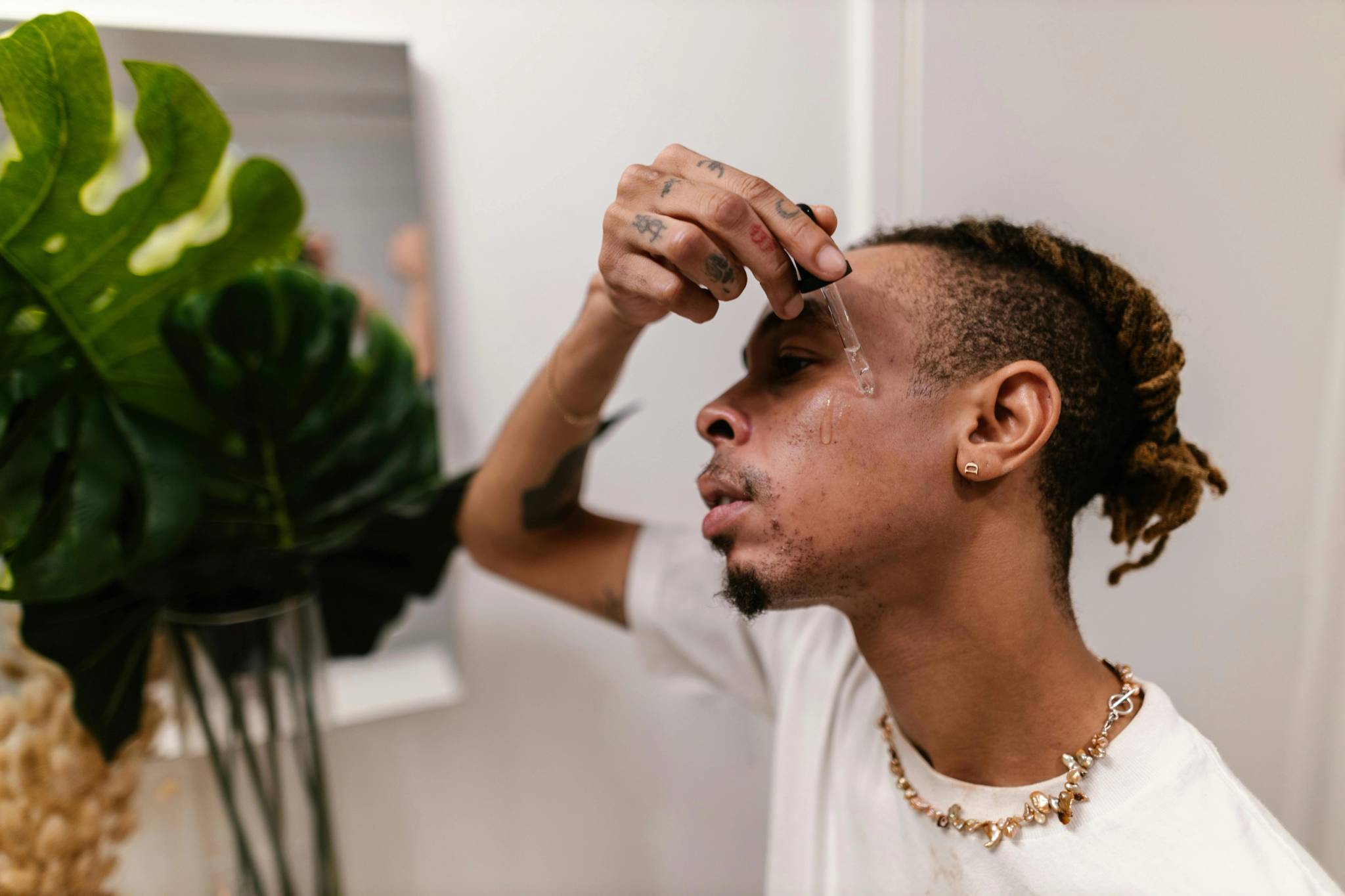
US male beauty buyers want relatable expert influencers
US men are increasingly investing in beauty as functional tools for performance and confidence. Moving beyond their partners’ advice, they now look to aspirational peers and experts for utility-focused guidance, presenting opportunities for brands to speak directly to the male beauty shopper.