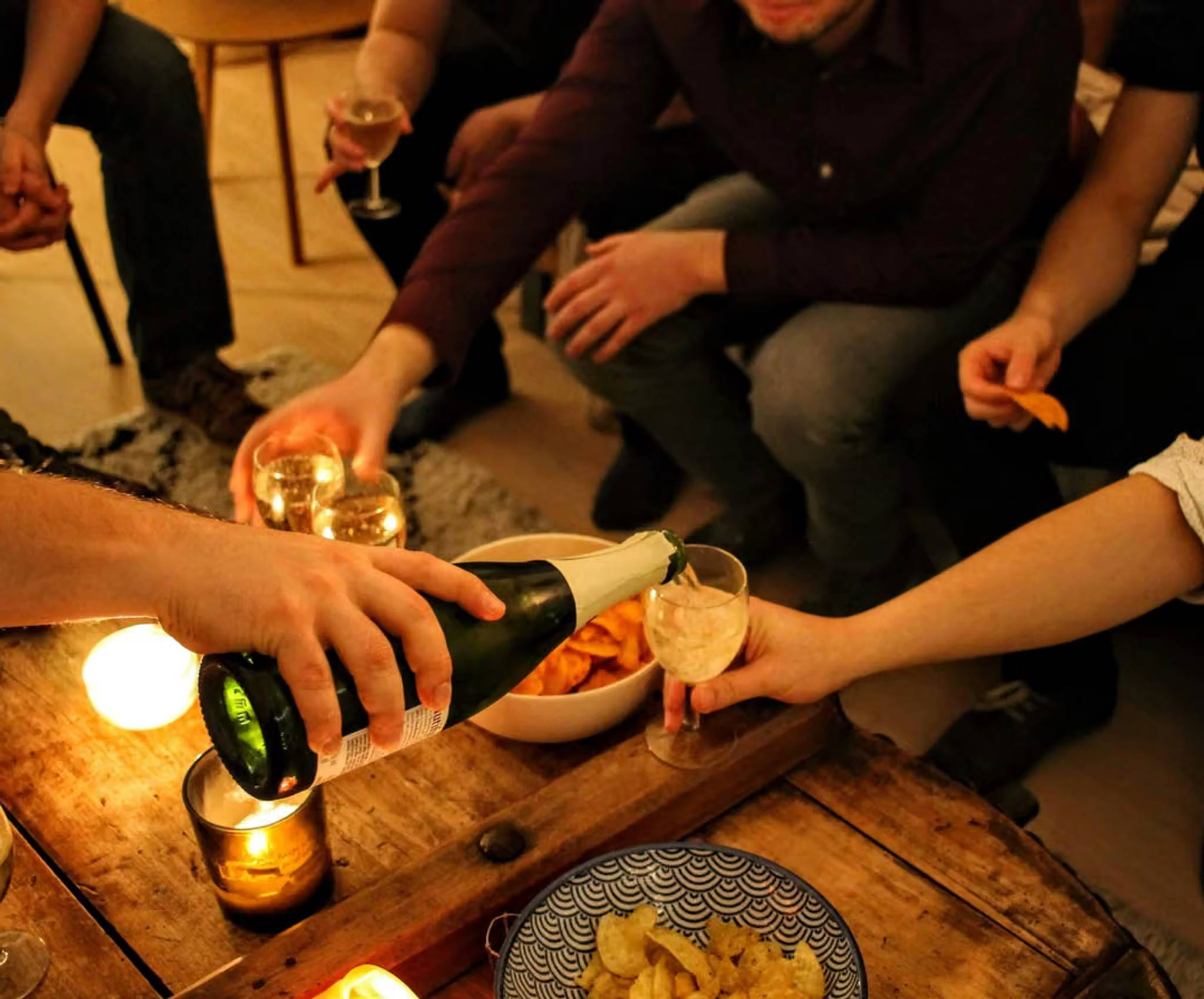
After years of headlines claiming the slow death of drinking, it looks like younger generations are finally ready to give alcohol a shot. Gen Z is ready to join the party, relax a bit, and maybe even start letting go of their fear of being cringe. What’s behind this growing appreciation for booze?
Each month, APAC lead editor Therese Reyes looks into the latest cultural shifts in the region and explains the audience behaviours behind them. Sign up to our monthly newsletter here.
A new bar recently opened in Manila serving cocktails in punch bowls. I have yet to try it but from posts online, I see that they’re garnished with huge blocks of ice and flower petals, too. It is, decidedly, a vibe, and it probably wouldn’t surprise anyone to hear that it’s trending among the city’s clued-in set. What may shock some, however, is that Gen Z is into it, too. After years of headlines claiming the slow death of drinking and nightlife, it looks like younger generations are finally ready to give alcohol a shot. In fact, 74% of Gen Z have had a drink in the last six months, up from 66% just three years ago. In India, for example, alcohol participation among high-earning urban Gen Z adults (over 21) was 80%, up 20 percentage points. Meanwhile, the number is at 85% among high-earning urban Gen Z adults (18+) in China. The shift is in the early stages but Gen Z is ready to join the party. [1]
Why is this important?
This is a welcome change for beverage brands that have been dealing with the decline of alcohol consumption as early as 2018, when the term ‘sober curious’ gained popularity. [2]Because a certain group of Gen Z came of age during the COVID-19 pandemic, many also missed out on milestones typically associated with getting tipsy – drinks in between classes, at-home ragers, first time at a club, etc. [3] In the Philippines, for instance, there was a government-mandated liquor ban at certain points during the lockdown, and though this didn't turn everyone teetotal, it did minimise opportunities to drink. Now Gen Z is starting to catch on, learning to appreciate a good drink but also setting their own preferences and limitations. The question is no longer, “Does Gen Z drink?” but “How and why do they drink?”
What’s the behavioural shift?
The most obvious (and correctly predicted) reason for this shift is that Gen Z is older, has entered the workforce and has more disposable income. [4]At the same time, it’s also increasingly important for them to decompress. China’s ‘lying flat’ movement has reached the mainstream, with people – regardless of position or industry – avoiding extra work. [5]We see versions of this IDGAF attitude in Vietnam’s sống chậm or ‘slow living’ movement, as well as in Japan, where 45% of workers have admitted to doing the bare minimum in their jobs. In neighbouring South Korea, 65.8% view a colleague’s decision to quiet quit as a positive development. [6][7][8] While Gen Z still generally prefers to destress by ‘soft clubbing,’ they’ve opened up to alcoholic drinks, in their own terms: flavour over ABV, wellbeing over intoxication, community over self. [1]This is seen in the rise in popularity of ready-to-drink highballs. In Korea, where these canned beverages line convenience store refrigerators, its off-premise sales increased by 18.1% in 2025. These drinks usually have lower alcohol content, feature limited-edition flavours (for example, peach, grapefruit or Earl Grey tea) and are convenient for small parties at home. [9]
What’s the key takeaway for brands?
Beyond drinking habits, these shifts reflect changing lifestyle preferences. Younger generations are finally starting to let loose. Once a dreaded consequence of drunken nights out, hangovers are now romanticised by young people who have grown tired of the eternally pristine posts on their feeds. [10]It seems we are nearing the end of cringe culture and starting to embrace the mess of life. [11] But it’s all about balance: between work and life, spending and saving, wellness and indulgence. And brands should help people have it all. South Korean convenience stores that sell you highballs, for example, also offer multiple supplements that promise to get rid of hangovers. Based on traditional remedies, newer brands such as Easy Tomorrow come in an easy-to-eat jelly form and in various flavours. To capture Gen MZ (a collective term for millennials and Gen Z used in South Korea), it hosts block parties, posts Webtoon-inspired videos, and enlists actor Go Youn-jung as brand ambassador. Now everyone can drink without the hangover (or romanticise them if they want to).
