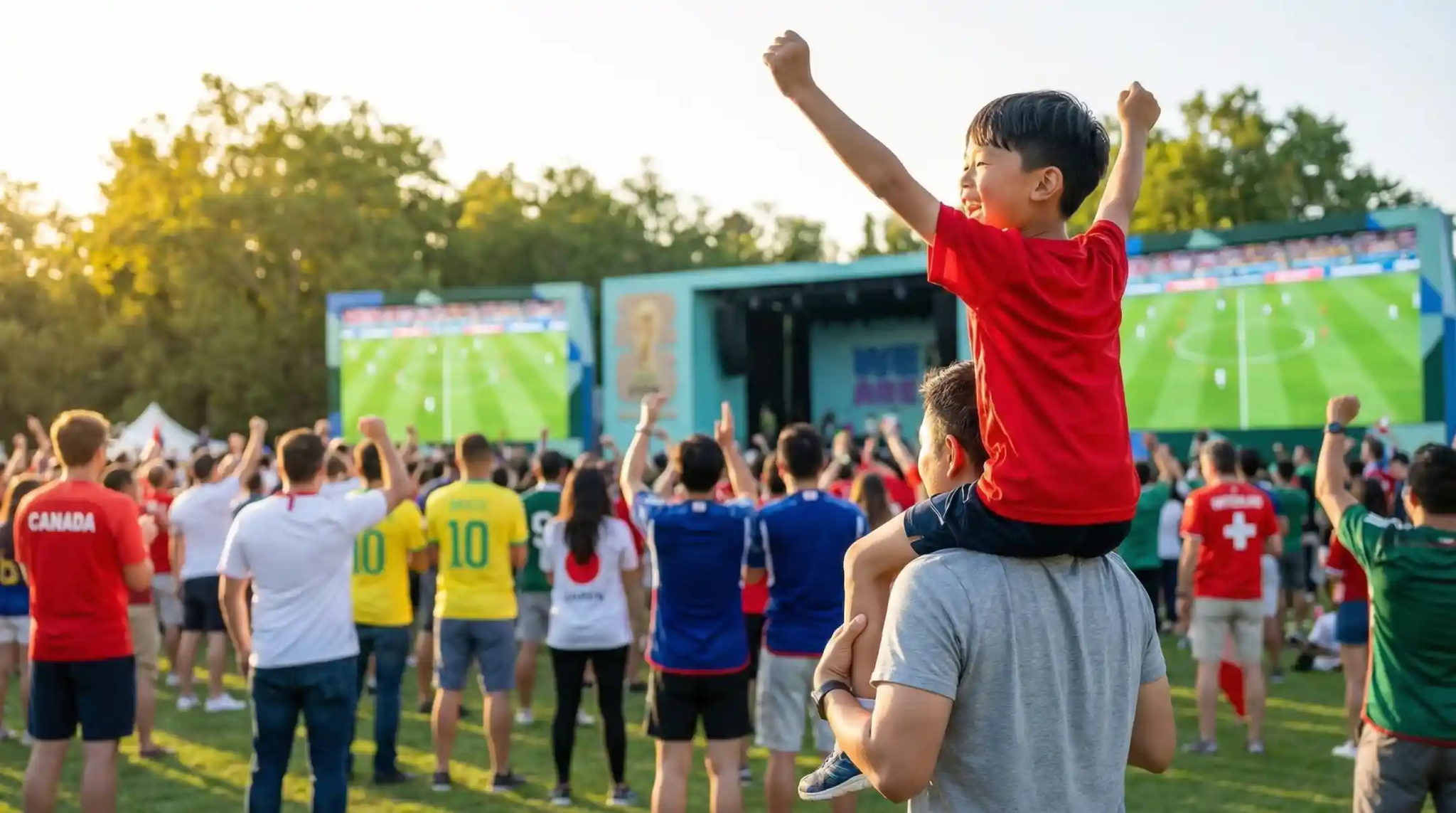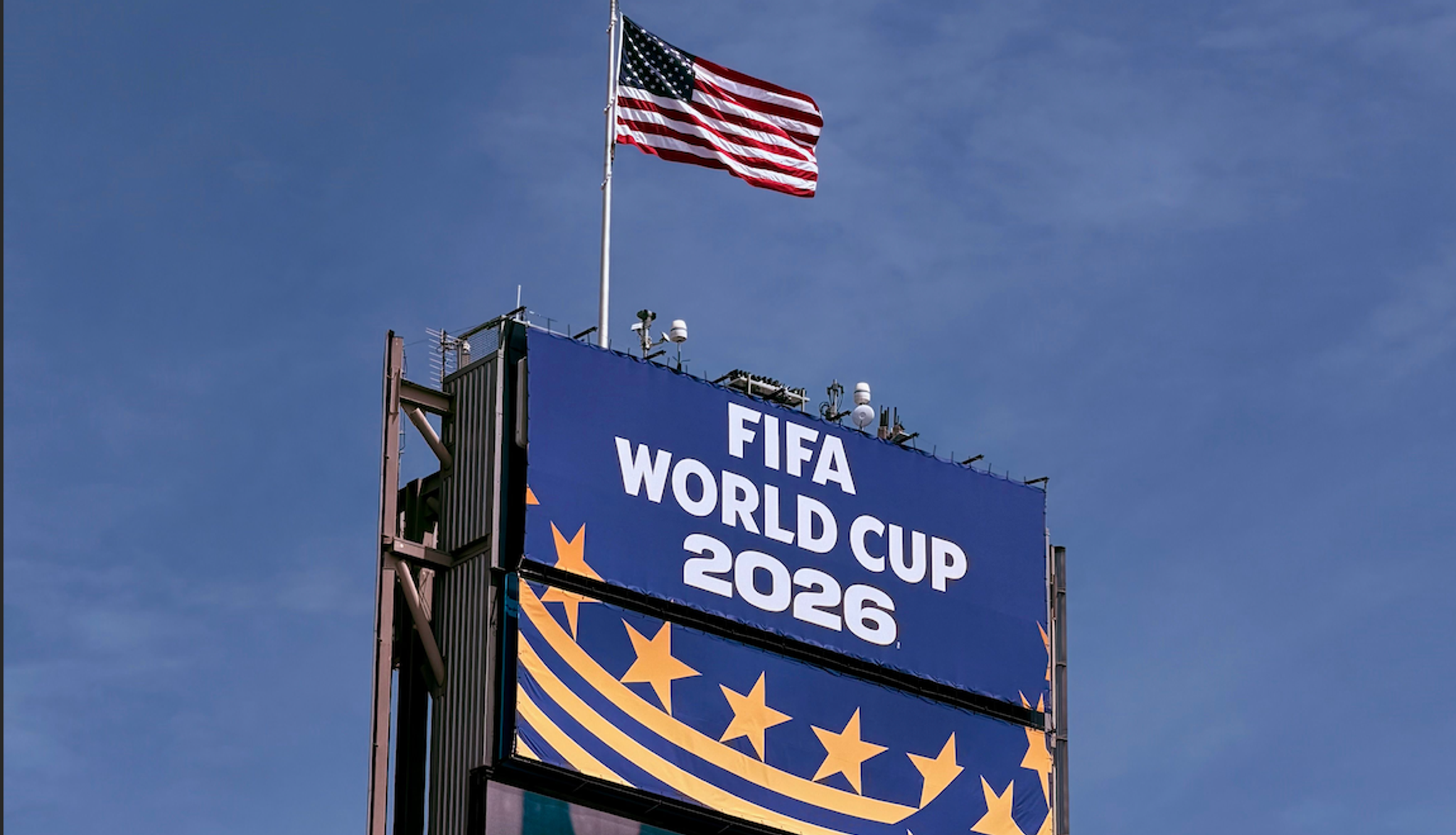
The World Cup is the biggest sporting event in the world – but does global scale guarantee cultural impact?
When Arsenal won their first Premier League title in 22 years, the triumph didn't strike a chord only with football fans in North London or other lifelong supporters across the city, but it connected with fans across the globe. Massive celebrations took place in countries like Kenya, Uganda and the US – and its global impact was felt among industry insiders, too. Irish football pundit Roy Keane said of the reaction to their win, “This felt special. Everyone around the world knew Arsenal had won the title – even people who don’t watch football. The celebrations worldwide were mental.”
It was an example of a hyperlocal win that became a global cultural event – and Arsenal wasn’t the only one. Across the pond, the New York Knicks’ NBA championship win saw New Yorkers take to the streets in droves, celebrating the team’s first championship in 53 years. A moment that was truly embedded in New York identity saw an an estimated 2–3 million people attend the victory parade, but it also resonated with audiences globally with the energy of their big win transcending beyond the Big Apple: there was a record-breaking global merchandise demand via Fanatics for NY Knicks merch – not to mention, the fascination (me included) around Karl Anthony Towns’ fiance Jordyn Woods, and her ‘lucky’ orange bag which generated conversation online. Seeing two teams on opposite sides of the pond truly captures the essence of hometown fandom, and its ability to spread globally was amazing to witness – and it served as an interesting antithesis to arguably the biggest sports moment of the year: the 2026 FIFA World Cup.
This inherently global event with mass appeal has had billions poured into it with high expectations, serving as the ultimate cultural engine with maximum reach and attention. Indeed, analysis by money.co.uk estimates that the World Cup could generate a net economic uplift of £7.6 billion to the UK economy. Meanwhile, it was estimated that FIFA would make $4.3 billion in TV broadcast rights deals alone and a further $3 billion from ticket sales for the event.
But despite the high level of investment and the spectacle that it creates, it still doesn’t generate the same ‘off-the-cuff’ cultural moments that hyperlocal wins like Arsenal’s title or the Knicks’ championship manage to. And the reason sits in how attention and engagement now actually work.
Audiences aren't passively consuming full events like they once did, with consumption becoming increasingly dispersed, selective and moment-led. Younger audiences in particular are far more likely to engage with clips, highlights and moments than with full broadcasts. Indeed, nearly 10% 18 to 24-year-old fans only watch highlights and not the live event.
At the same time, social platforms have fundamentally reshaped what ‘watching sport’ even means, with social media now at the core, with many viewers simultaneously watching, reacting, clipping, sharing and commenting in real time. In fact, 62% of sports fans on TikTok enjoy watching sports content on social media more than on traditional TV and 50% prefer watching short clips, highlights or behind-the-scenes moments over full games. This highlights how the type of moments that engage sports fans – and even non fans alike – travel in a fragmented attention environment.
People may not remember an entire tournament but they remember isolated spikes of emotion, whether that's a reaction that went viral, a celebration or a breakout performance. These are the units of culture now. This is why even within the World Cup, arguably the most structured global stage in sport, the moments that actually break through tend to be unexpectedly human-led. Like how Cape Verde goalkeeper Vozinha went viral after breaking down in tears – a moment that resonated with audience and saw Vozinha’s Instagram account rise from 50,000 followers to more than 5 million.
Moments like this aren't something the structure of the World Cup can reliably produce on demand and can only take place after marketing budgets have been set and campaigns have been produced. It’s something that happens inside it all once people are involved.
And while the World Cup is global in reach, the experience remains splintered across countries, teams and competing storylines. That often means cultural resonance doesn't emerge from the tournament as a whole, but from specific moments that cut through it.
This is what makes these spikes so powerful when they do happen, as they temporarily override the fragmentation and create something universally legible. It’s also why hyperlocal moments like Arsenal’s title win or the Knicks’ championship feel so culturally potent in a different way. They begin from a more emotionally concentrated place with one city or place and a collective release, which gives them a stronger foundation for producing those kinds of universally resonant moments in the first place.
This brings us back to the paradox at the heart of all of this: The more globally structured an event becomes, the more it depends on hyperlocal, unplanned human moments to generate cultural meaning.
For major global sporting events, the opportunity is no longer simply to attach to a big global event, but to build the capability to participate in the culture and organic moments as they happen.
That requires a shift from campaign thinking to being more moment-led, honing in on spotting emerging narratives, recognising when something is breaking beyond its original context and creating at the speed of culture rather than just planning cycles.
In practice, this means going beyond tracking what's happening and examining what meaningful moment may connect, whether that’s an unexpected breakout player or a fan-driven meme. This means brands would do well to think less like advertisers and more like editors and curators, constantly deciding what deserves amplification and what can be left to fade.
While I wouldn’t call myself the biggest sports fan, the moments that travel beyond sport are impossible to ignore. They reveal what sport, and any culture built on passion, really produces: emotion, connection and belonging. And even when that sense of belonging comes later than for others, it tends to last far longer than the moment itself.