In France, the Elysée – the presidential palace – has launched its merch shop, with a good portion of the products featuring President Macron's face. As people’s trust in traditional politics declines, politicians are taking cues from the cult of celebrity, to help shape their personal brand. We unpick the insights behind how celebrity culture has permeated politics and understand how government officials boosting their public image.
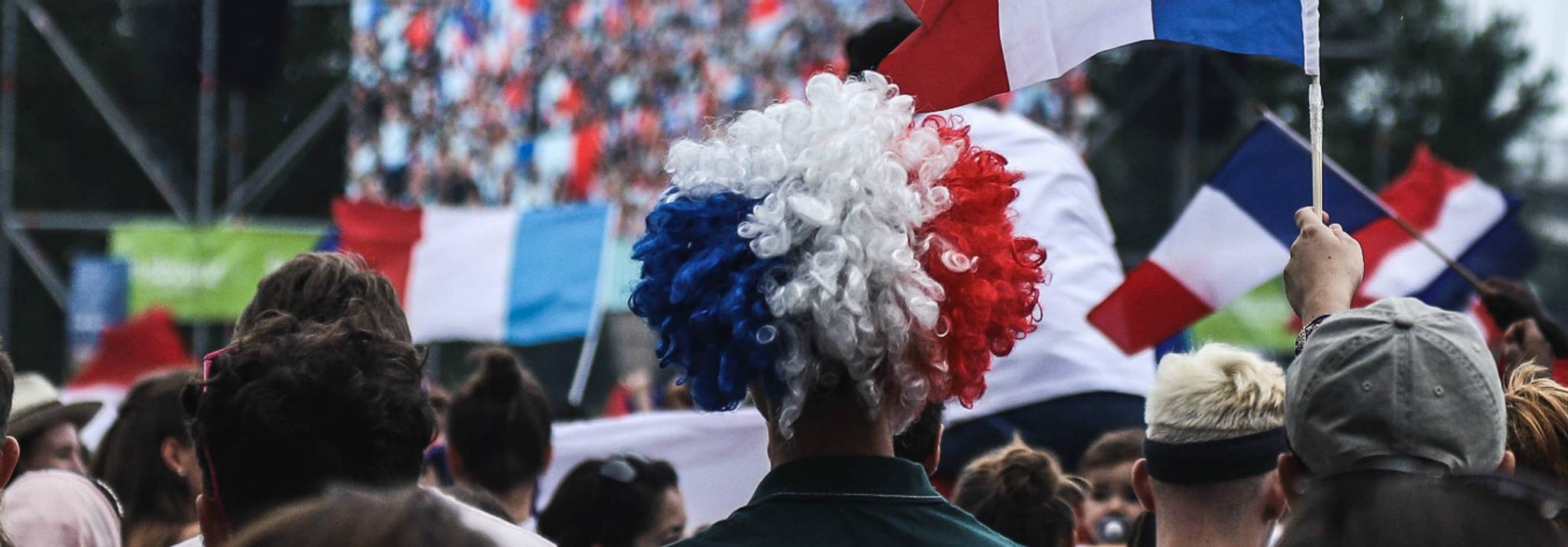
France's presidential palace, The Elysée, has opened a pop-up shop in its courtyard as the 'journées du patrimoine' (European Heritage ) open day invites more than 200,000 people to come and visit the palace. It also launched the online shop, which reportedly sold a total of 7,320 items in its first weekend, grossing about €350,000 for an average spend of almost €48. The presidential merch included a mug carrying a portrait of president Macron, retailing for just under €25, and a t-shirt reading 'Première Dame' for €55. Macron has already been seen wearing some of the items on public occasions and the Elysée – which takes a 12% cut on sales – is hoping to raise enough money to restore 300-year-old presidential palace.
People are becoming used to seeing celebrity culture and politics intertwined, not just with a former reality TV host in the White House, or speculation that Oprah Winfrey will run for president in 2020, but also the other way around – actual politicians are also shaping their personal brand like celebrities. This makes sense, as trust in politicians stands at a mere 29%, people might be more inclined to trust celebrities who they're more familiar with instead. This is linked to a global shift towards a more disintermediated relationship with power – one fifth of Australians prefer to hear directly from politicians.
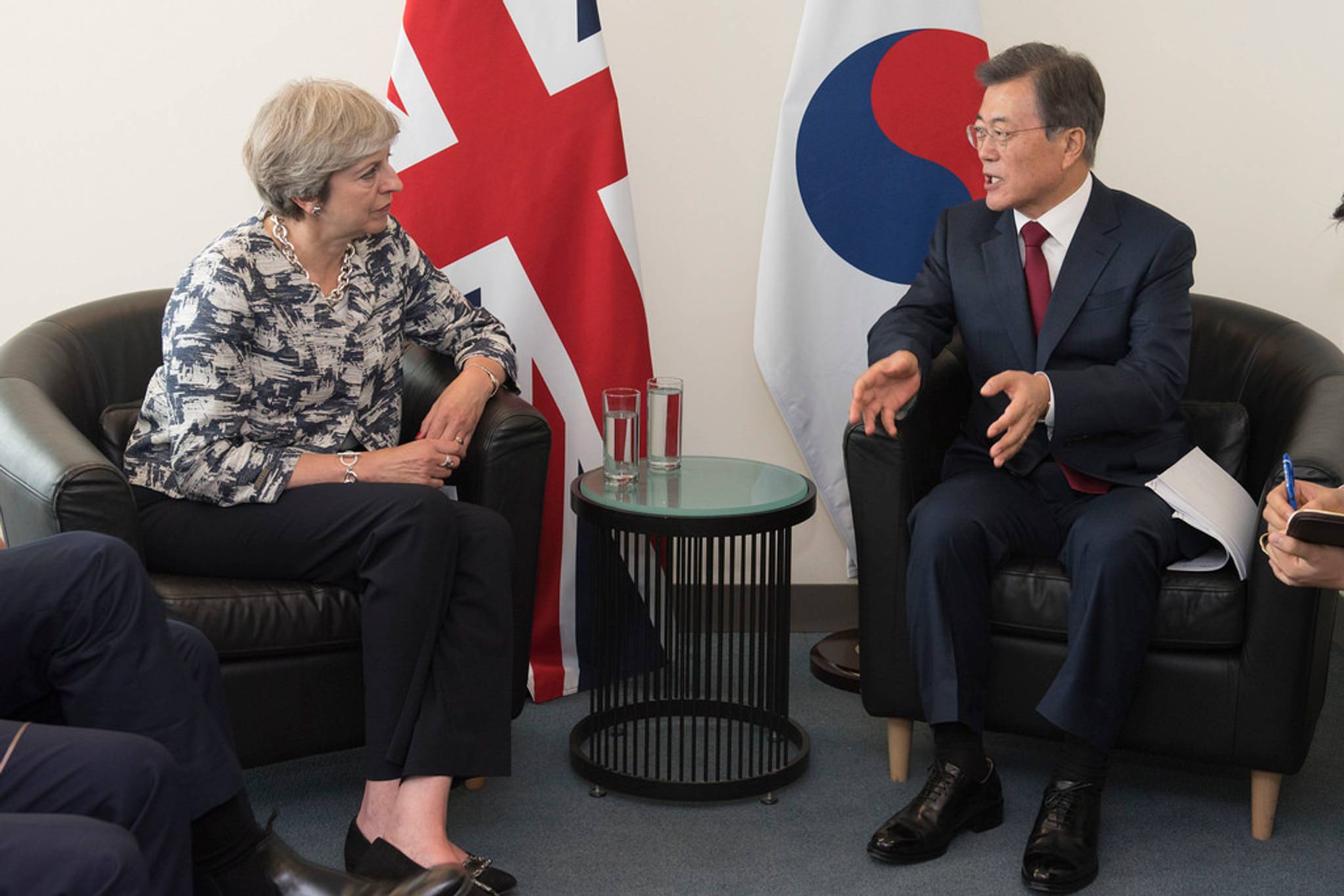
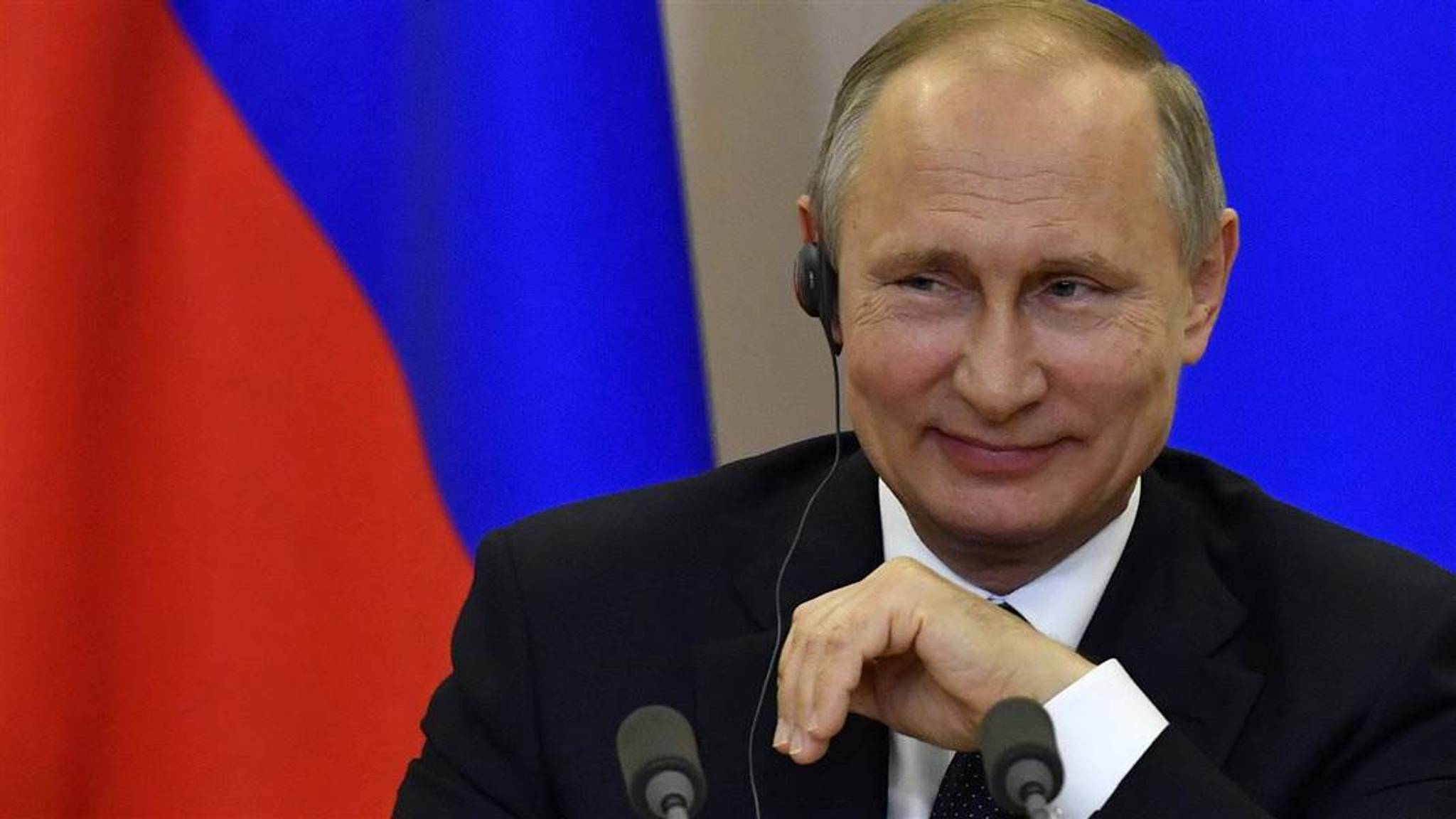
While the cult of celebrity surrounding South Korean president Moon Jae-in means he's celebrated like a pop idol and has an approval rating of almost 70%, it’s nothing new; beloved leaders have longed spawned personality cults – think Shirtless Putin – and the success of Macron’s merch shows how much people are willing to invest financially in a leader they trust and admire.
Lucia Seoane-Pampin is a behavioral analyst at Canvas8, which specializes in behavioral insights and consumer research. Born and raised in Spain, she loves experiencing different cultures and emotional expressions. She studied psychology and communications in Boston and has a master’s in digital & visual media.